
HTML = ”’
The short version
A standard 1500-watt space heater costs about $0.26 per hour at the US average electricity rate of $0.17/kWh — roughly $1.53 for a 6-hour evening, $46 per month, and $230 across a 150-day season if it runs flat out. A thermostat cuts that 35-50% through duty cycling. Enter your wattage, hours, and local rate below for the exact number, including the thermostat discount.
What’s in this guide
- 1. The space heater cost formula (watts × hours × rate ÷ 1000)
- 2. What 1500 watts actually costs per month and per winter
- 3. The thermostat duty cycle: why the sticker number is wrong
- 4. Space heater vs central heat: when the little heater wins
- 5. The watt-meter truth test
- 6. Cutting the bill without freezing
1. The space heater cost formula (watts × hours × rate ÷ 1000)
Every space heater bill comes from one formula: watts × hours × your electricity rate ÷ 1000. The watt rating is printed on the heater’s label or plug — 1500 watts is the standard, 750 is the usual low setting, and compact desk units run 600. Divide watts by 1000 to get kilowatts, multiply by the hours it runs, then multiply by what your utility charges per kilowatt-hour (it is printed on the bill, and the US average sits near $0.17 in 2025-26).
| Wattage | At $0.10/kWh | At $0.17/kWh | At $0.25/kWh | At $0.33/kWh |
|---|---|---|---|---|
| 600 W | $0.06/hr | $0.10/hr | $0.15/hr | $0.20/hr |
| 750 W | $0.08/hr | $0.13/hr | $0.19/hr | $0.25/hr |
| 1500 W | $0.15/hr | $0.26/hr | $0.38/hr | $0.50/hr |
Two things hide in that formula. First, the watt rating is a ceiling — a heater on its low setting draws half the listed number, which is why the 750 W row exists in every real household’s winter. Second, rates vary wildly: Hawaii pushes $0.40/kWh while parts of the Dakotas sit under $0.11, so the same 1500-watt heater costs four times more to run in Honolulu than in Fargo. The calculator above takes your actual rate; guessing with the national average can misprice a season by $80.

As an Amazon Associate, Herpickery earns from qualifying purchases.
2. What 1500 watts actually costs per month and per winter
Daily hours decide everything. A heater that runs during the morning-getting-ready hour and the evening wind-down lives a different life from one that guards a cold home office all day — and the monthly bill scales linearly, which makes the table below the single most useful page in this guide. Season assumes 150 heating days, roughly November through March.
| Hours per day | At $0.10/kWh | At $0.17/kWh | At $0.25/kWh | Per season ($0.17) |
|---|---|---|---|---|
| 2 hrs (morning + evening) | $9 | $15 | $23 | $77 |
| 4 hrs (home office) | $18 | $31 | $45 | $154 |
| 6 hrs (evenings + weekend) | $27 | $46 | $68 | $230 |
| 8 hrs (all-day room) | $36 | $61 | $90 | $307 |
| 12 hrs (nearly always on) | $54 | $92 | $135 | $460 |
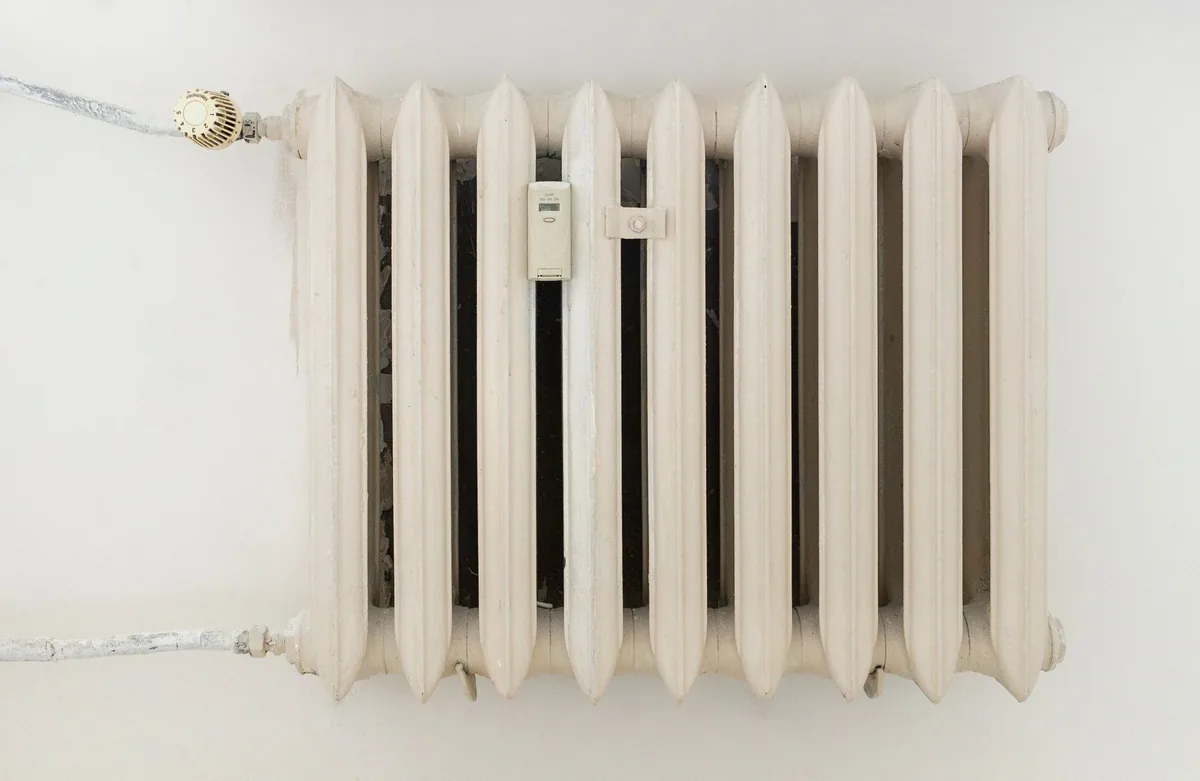
The honest read of that table: a space heater used the way most people actually use one — evenings in one room, weekends in another — lands between $30 and $60 a month, which is real money but not the budget-breaker the fear posts claim. The horror-story bills come from the 12-hour row: a heater left as the primary heat source for a whole floor runs $90-135 monthly at average rates, and at $0.33/kWh it doubles. Space heaters are zone tools; the bill stays sane while they stay zone-sized.
3. The thermostat duty cycle: why the sticker number is wrong
The per-hour figure above assumes the element runs 100% of the time, and almost no modern heater does. A thermostat cycles the element: heat to temperature, pause, reheat. Real-world duty cycles land near 65% for ceramic heaters with electronic thermostats, 60-70% for fan-forced units, and closer to 50% for oil-filled radiators, which keep radiating heat for ten minutes after the element stops. That duty cycle is the quiet discount on every bill — a $46-per-month thermostat-less estimate becomes about $30 with cycling, and an oil-filled unit in a sealed bedroom can drop further.
| Heater type | Typical duty cycle | Real 6-hr evening cost ($0.17) | Why |
|---|---|---|---|
| Ceramic, thermostat | ~65% | $0.99 | element pauses at set temperature |
| Fan-forced, thermostat | ~70% | $1.07 | fan runs even when the element rests |
| Oil-filled radiator | ~50% | $0.77 | thermal mass radiates after shutoff |
| Always-on (no thermostat) | 100% | $1.53 | the sticker number, and the overheat risk |
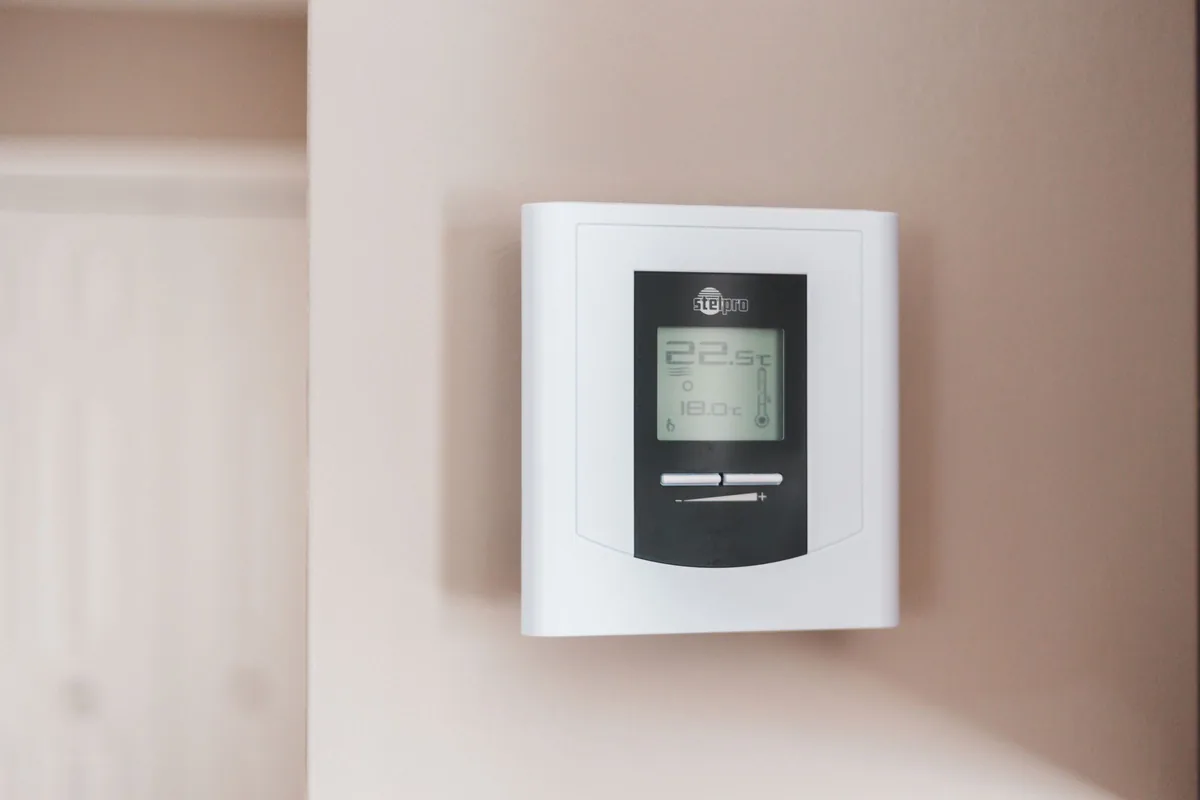
Duty cycle explains why two identical-looking heaters can land $15 apart on the same bill. The variable that matters is the thermostat quality: a dial thermostat drifts 2-3 degrees past setpoint before clicking off, while electronic ones hold tighter. One degree of overshoot in a small room costs minutes of full-power run every cycle, which compounds across 150 days. Set the thermostat a notch lower than feels perfect and let the cycle math work for you — the calculator’s middle option models this behavior, and the difference against always-on is the cheapest $15 you will save this winter.

As an Amazon Associate, Herpickery earns from qualifying purchases.
4. Space heater vs central heat: when the little heater wins
The “space heaters save money” claim is half true, and the half matters. Zone heating — heating one occupied room to comfortable temperature while the central thermostat holds the rest of the house at 60-62°F — genuinely cuts bills, because the furnace stops reheating empty bedrooms. Whole-home replacement is the losing half: a 1500-watt heater warms one person, not one house, and running several to fake central heat costs more than the furnace ever did while tripping the circuits.

The math works when three conditions hold together. First, the house must actually turn down: the furnace setback of 8-10 degrees saves roughly as much as the space heater spends, and skipping the setback while adding the heater is pure loss. Second, the occupied zone should be small — a closed bedroom or a home office with the door shut, not an open-concept great room where the heater fights the volume of air. Third, the hours should be bounded: the 6-hour evening pattern is the sweet spot, and overnight runs are both the expensive row of the table and the fire-risk row. Apartments without thermostats at all — the baseboard-and-nothing crowd — are the exception where the little heater is genuinely the primary system, and the no-fireplace stocking guide covers that same apartment winter from the decor side.
5. The watt-meter truth test
Labels lie by omission, and the fix costs $13. A plug-in watt meter sits between the heater and the wall and reports three truths the label cannot: actual draw (many “1500-watt” heaters pull 1400-1480), real duty cycle (leave it one evening and read the accumulated kWh), and the fan’s idle cost (fan-forced units draw 30-60 watts even when the element rests, which the duty table above hides). One evening of data beats every estimate in this guide, because it is your room, your thermostat, and your rate.
Read the meter’s kWh total, multiply by your rate, and you have the true evening cost; multiply by 30 for the month. If the meter shows the element drawing near-continuous power with a thermostat set to 70, drop the setpoint 2 degrees and watch the kWh total fall 20-30% on the next run — that measurement, not any blog number, is the argument that convinces the household. The meter also settles the radiator-versus-ceramic debate for your specific room, which depends on insulation more than on the heater badge.

As an Amazon Associate, Herpickery earns from qualifying purchases.
6. Cutting the bill without freezing
Every dollar saved on the heater bill is won before the heater switches on. Stop the drafts first: a rolled towel at the door and proper curtains cut a room’s heat loss by a visible margin — the curtain size calculator and the curtain hanging height guide cover the window half of that project, and a window that seals means the thermostat cycles off minutes earlier every hour.

Then buy the waste out of the routine. A $10 mechanical timer or smart plug turns “forgot to switch it off” into a schedule — heaters that die at bedtime instead of running the 12-hour row of the table save their price in the first week, and the same timer logic that trims the light display (the timer schedule guide) applies unchanged. Oil-filled radiators earn their premium in rooms you occupy all evening: the thermal mass that keeps radiating after shutoff effectively shortens every duty cycle. And dress the room like your grandmother did — a throw on the couch, socks on the feet, and the thermostat one notch lower is a $5-a-month habit, not a sacrifice. For the arithmetic on the rest of the winter electric bill, the Christmas lights cost calculator handles the display, and the rug size calculator quietly helps the floor-insulation half of the same project.
FAQs
How much does it cost to run a 1500-watt space heater?
About $0.26 per hour at the US average rate of $0.17/kWh, or $0.15 to $0.50 depending on your local rate. A 6-hour evening costs $1.53, a month of evenings about $46, and a thermostat cuts that 35-50% through duty cycling.
Do space heaters use a lot of electricity?
A 1500-watt heater draws about as much as a hair dryer — high draw, short sessions. Used 6 hours a day in one room it adds $30-46 monthly; run all day as a whole-home substitute it adds $90-135, which is where the horror bills come from.
Is it cheaper to run a space heater or central heat?
For one occupied room with the rest of the house set back 8-10 degrees, the space heater wins. For heating a whole home, central heat wins — one 1500-watt unit warms a person, not a house, and several running together cost more than the furnace.
How much does a space heater cost per month at $0.25 per kWh?
A 1500-watt heater running 6 hours daily costs about $68 per month at $0.25/kWh with no thermostat, or roughly $44-50 with normal thermostat cycling. Higher-rate states feel the difference more than heater choice.
Can I leave a space heater on overnight?
Not recommended — it is both the expensive row of the cost table ($2+ per night at average rates) and the top fire-risk scenario. Use a timer or the heater’s own thermostat cutoff, and keep it three feet from bedding, curtains, and anything fibrous.
Related guides
[…] same timer logic heats rooms too. The Space Heater Cost Calculator shows why a heater on a schedule instead of an all-day run saves $45+ per […]